
CNI Hosts the OneNano Mid-Atlantic Fall 2026 Meeting
On Friday, October 2, the Columbia Nano Initiative (CNI) had the privilege of convening cleanroom directors, facility managers, and senior technical staff from across the region in Pulitzer Hall for the OneNano Mid-Atlantic Fall 2026 Meeting.
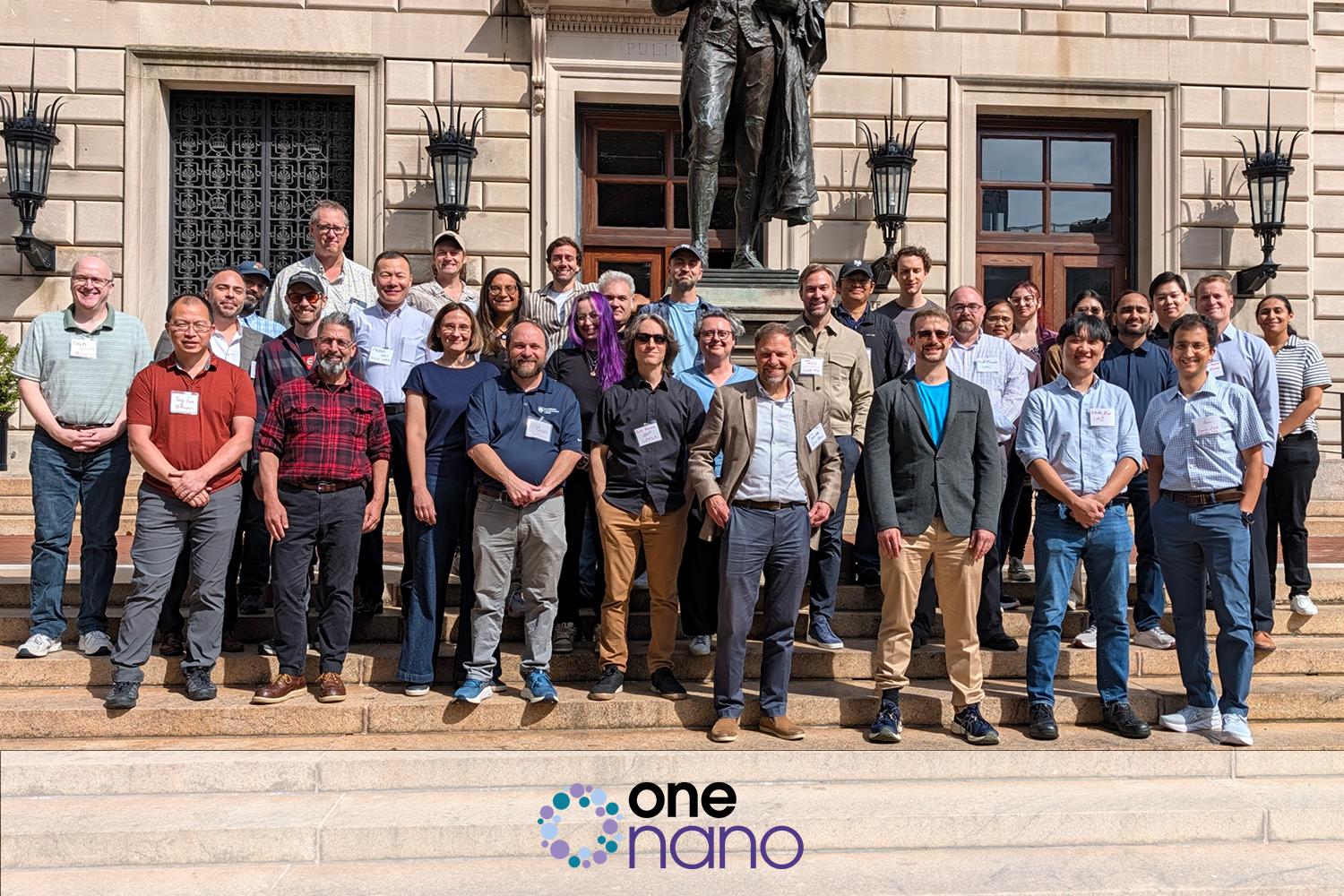
Attendees from across the Mid-Atlantic gathered on the steps of Pulitzer Hall during the Fall 2026 OneNano Meeting at Columbia University. Thank you to all our colleagues from regional academic, government, and industry facilities who made the trip to campus to share ideas, best practices, and collaborate on the future of shared research infrastructure.
This biannual gathering serves as a vital forum for micro- and nanofabrication leaders to look beyond daily equipment maintenance and focus on strategic, long-term stewardship: optimizing shared operational models, elevating laboratory safety, and aligning research infrastructure with the evolving needs of the Mid-Atlantic academic and industrial sectors.
Advancing Shared Research Infrastructure
Premier shared facilities are defined by more than cutting-edge instrumentation. Their sustained impact relies on continuous operational innovation, specialized engineering talent, and close inter-institutional alignment. As user demands expand and nanoscale research grows increasingly interdisciplinary, maintaining a collaborative regional network is essential for sustaining institutional competitiveness.
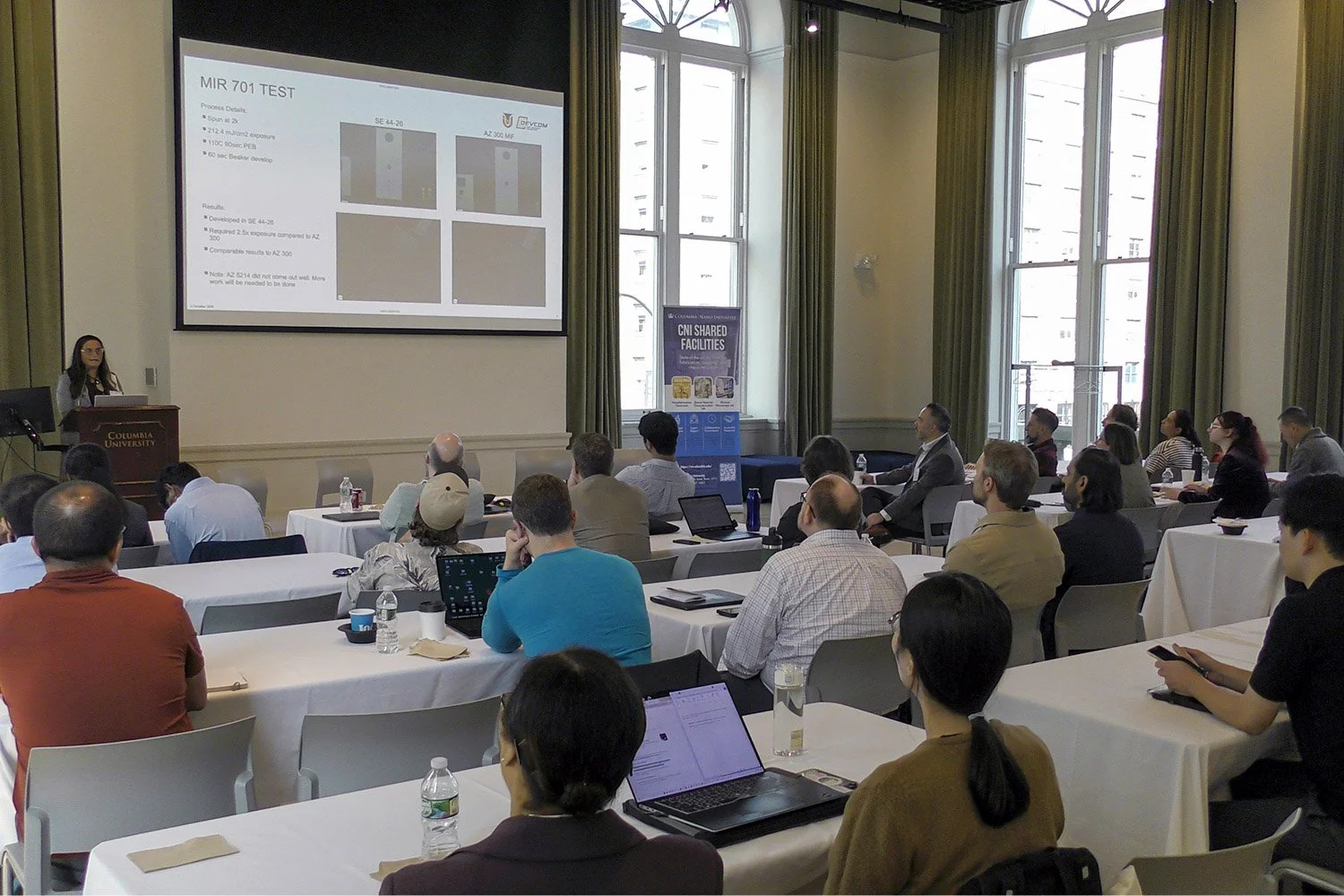
Itzayana Gutierrez (DEVCOM ARL) discussing alternative process chemicals for TMAH with attendees during Friday’s technical sessions.
By hosting this meeting at Columbia, CNI was proud to help facilitate open, solutions-oriented dialogue among our peer institutions. Nanofabrication centers face common operational complexities, from utility constraints to specialized workforce pipelines. Openly comparing operational workflows, aligning regional resources, and sharing best practices allows our collective facilities to operate more resiliently and maximize the return on institutional infrastructure investments.
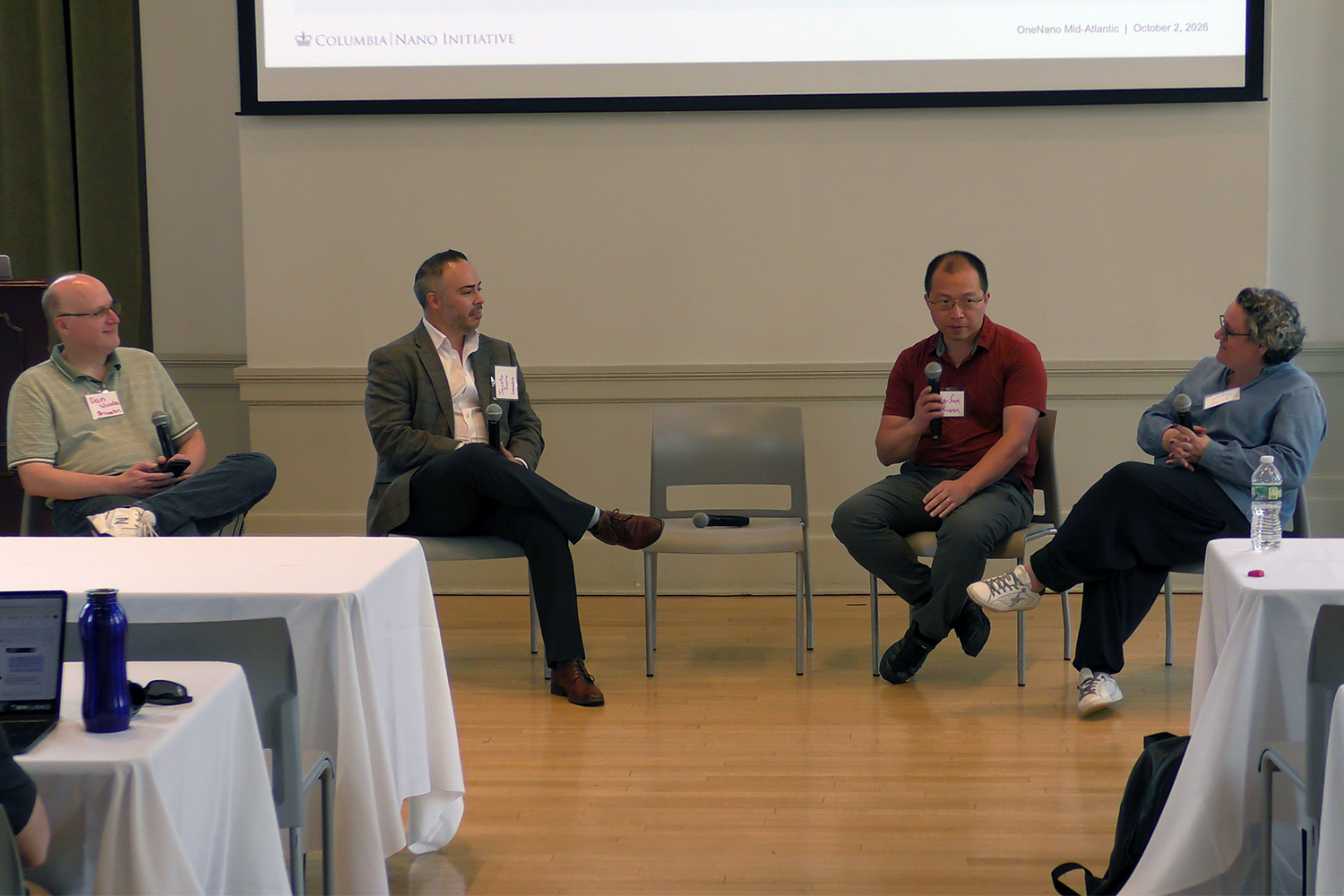
Jacob Trevino (Senior Director, CNI Shared Labs) joins panel lead Dan Woodie (Director, Princeton MNFC) and regional colleagues in Pulitzer Hall to discuss how shared facilities can adapt to support the growing quantum movement.
Building Connections: The Pre-Meeting Social
Meaningful technical alignment starts with strong relationships. The event kicked off the evening before at The Craftsman, where colleagues gathered informally before Friday's formal agenda. Providing an environment to reconnect outside the cleanroom fostered the candid exchanges, mutual trust, and camaraderie that make genuine multi-institutional coordination possible.
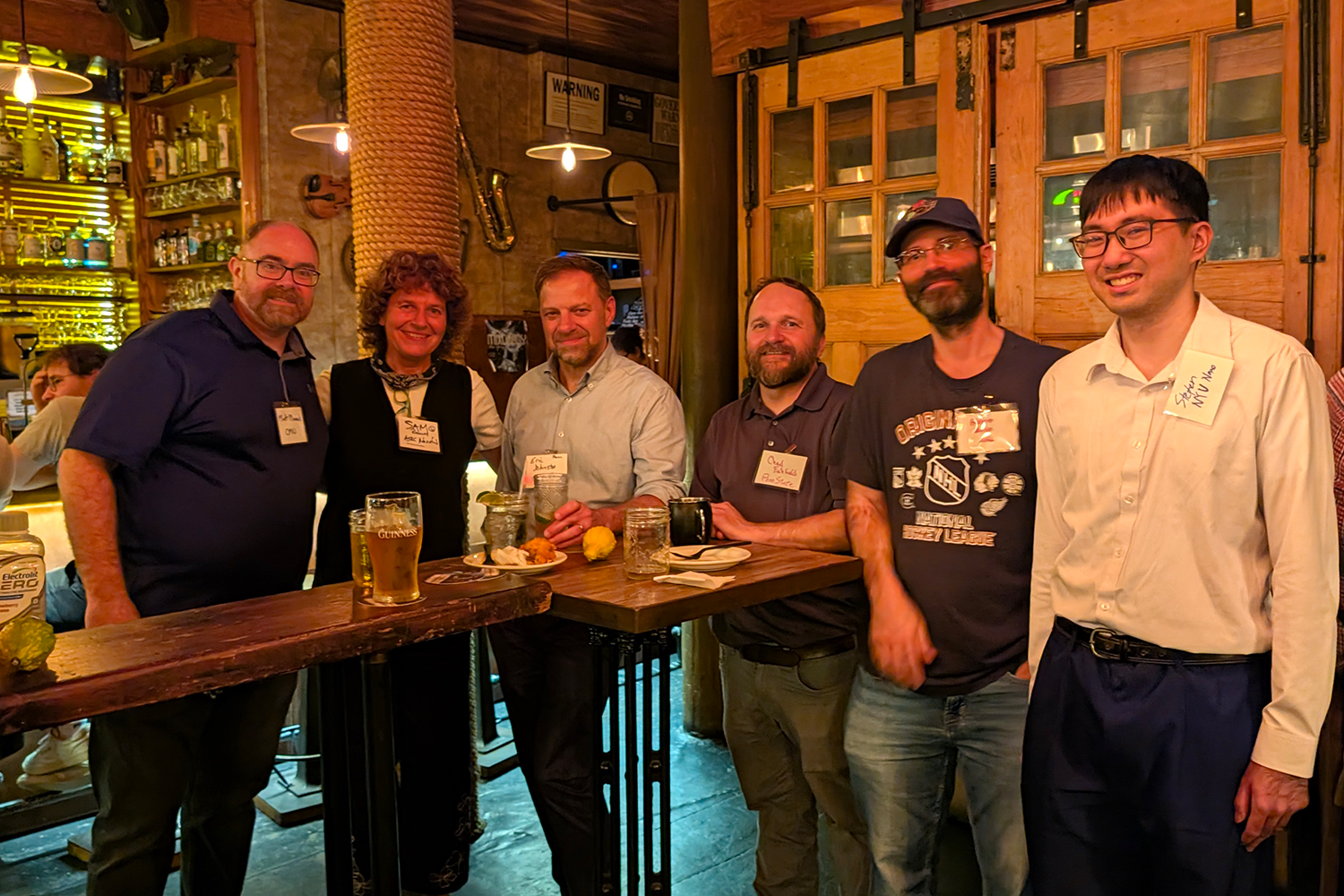
Attendees catching up at The Craftsman during the pre-meeting social on Thursday evening. Stepping outside the cleanroom and connecting informally set a relaxed, collaborative tone ahead of Friday's technical sessions at Columbia.
Key Discussions and Technical Highlights
Friday’s program in Pulitzer Hall addressed critical operational, safety, and technological frontiers facing modern research facilities:
Automated Data Platforms and Workforce Development: Students from Mercer County Community College presented their collaborative project with the Princeton University Micro/Nanofabrication Center (MNFC), demonstrating a secure, automated data access platform for NEMO-managed cleanroom instruments. The presentation highlighted not only practical data governance solutions, but also the immense value of partnering with regional community colleges to build vital STEM technical talent pipelines.
Chemical Safety Innovation: Itzayana Gutierrez from the DEVCOM Army Research Laboratory shared vital research evaluating safer chemical alternatives to Tetramethylammonium hydroxide (TMAH), addressing severe occupational toxicity hazards while preserving precise nanofabrication etch performance.
Capital Planning and Cleanroom Renovation: James Vichiconti (IBM T.J. Watson Research Center, former CNI Cleanroom Director) delivered an impactful session on cleanroom design and construction management, highlighting best practices and operational lessons learned from CNI’s major 2017 cleanroom renovation.
Panel: Engaging with Deep-Tech Startups: Jacob Trevino (CNI) moderated an interactive panel exploring how academic facilities can actively recruit, onboard, and support early-stage ventures. Panelists discussed mechanisms for balancing academic and commercial tool access, managing IP boundaries, and helping deep-tech founders accelerate hardware prototyping.
Panel: Preparing Infrastructure for the Quantum Movement: Dan Woodie (Princeton MNFC) led a forward-looking panel examining how the expansion of quantum hardware research impacts cleanroom operations, focusing on strict contamination controls, emerging substrate materials, process integration challenges, and opportunities for shared regional toolsets.
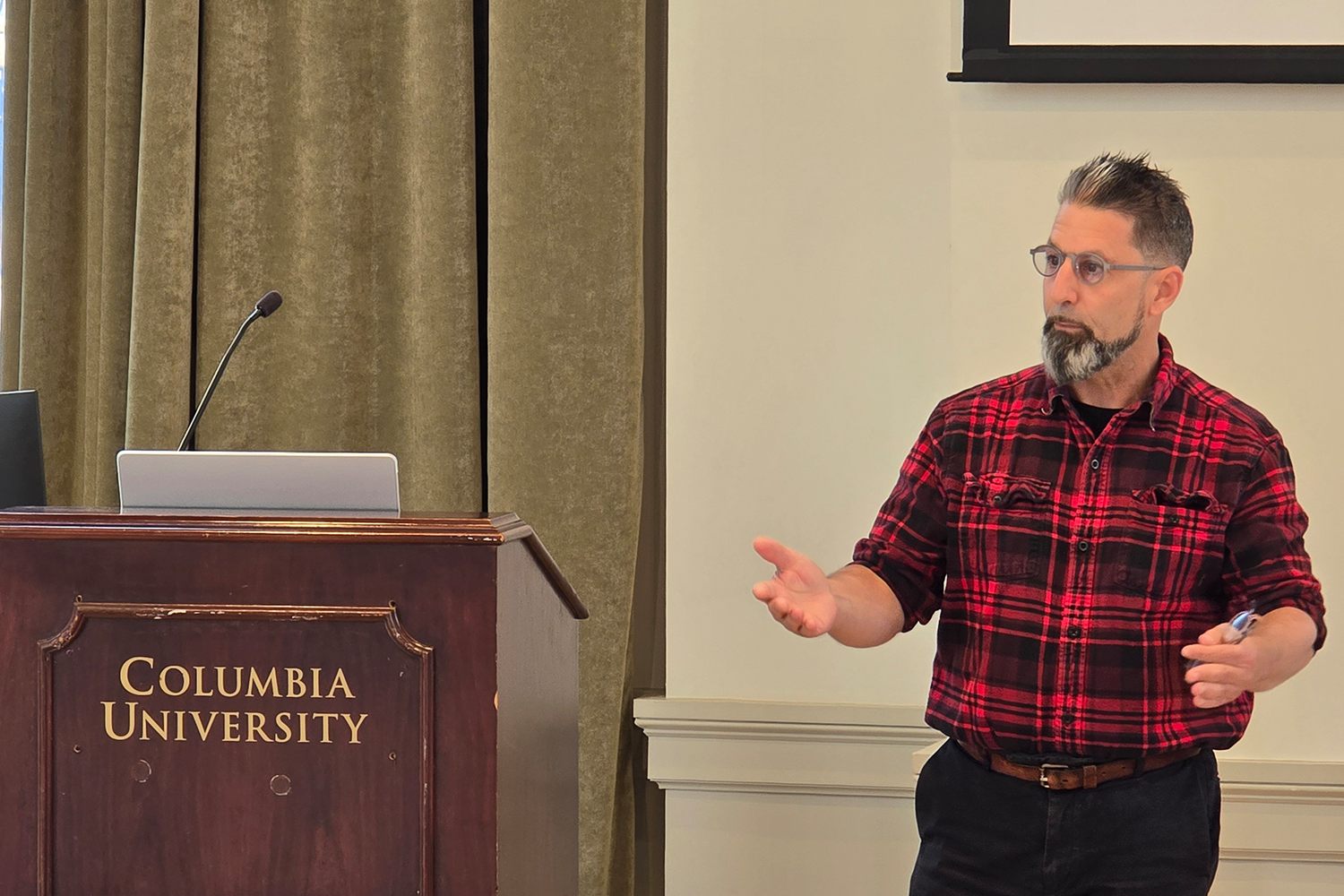
Welcoming back former CNI Cleanroom Director James Vichiconti (IBM T.J. Watson Research Center)! James shared key best practices for building cleanroom spaces, drawing from lessons learned during CNI's major 2017 renovation.
Looking Ahead
As the nanofabrication landscape rapidly evolves, no single facility operates in isolation. The OneNano community exemplifies the power of collective expertise, proving that regional partnerships are essential to tackling complex technical and operational frontiers. CNI remains deeply committed to advancing this mission, serving as an active hub for peer collaboration, supporting future working groups, and helping shape the next generation of shared facility standards across the Mid-Atlantic and beyond.
We extend our sincere gratitude to all the speakers, attendees, and chapter leaders who traveled to Morningside Heights, and a special thank you to STS-Elionix for sponsoring the meeting and investing in the shared facility community.